Research

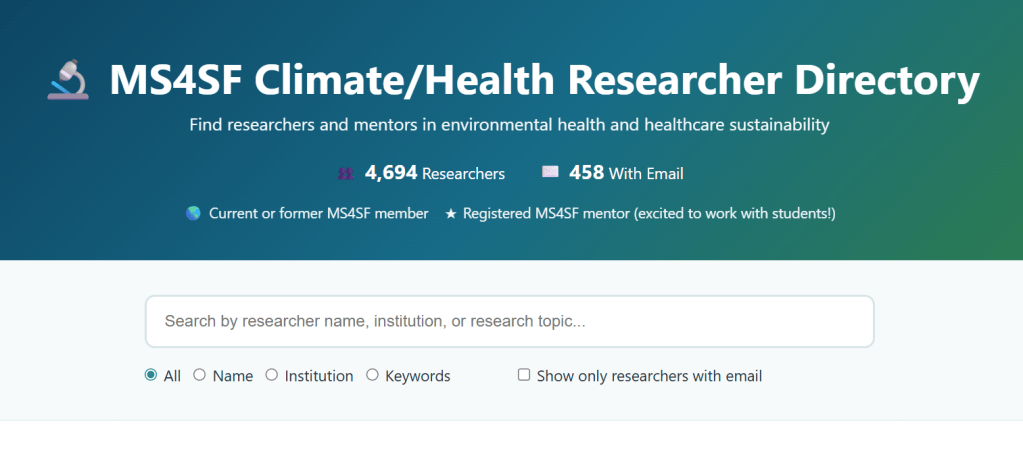
We help our community stay informed by creating a database of relevant articles and discussing current literature on the intersections between climate and health. We also support members in initiating research projects, facilitating collaborations within our group, and connecting students to research mentors.
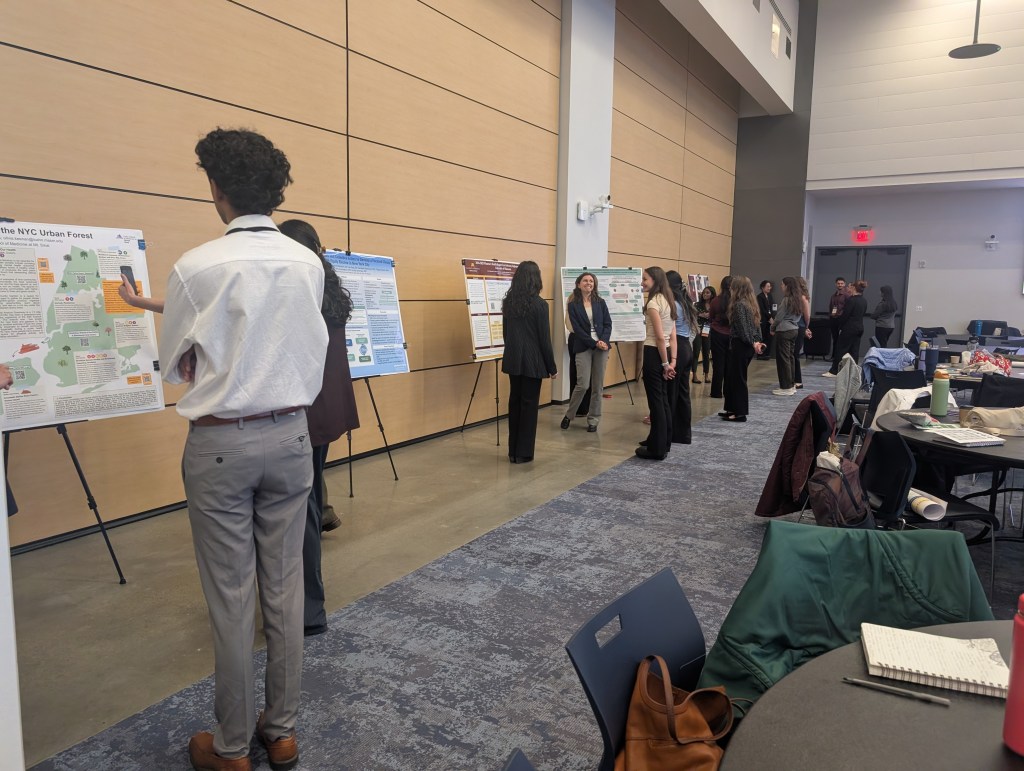
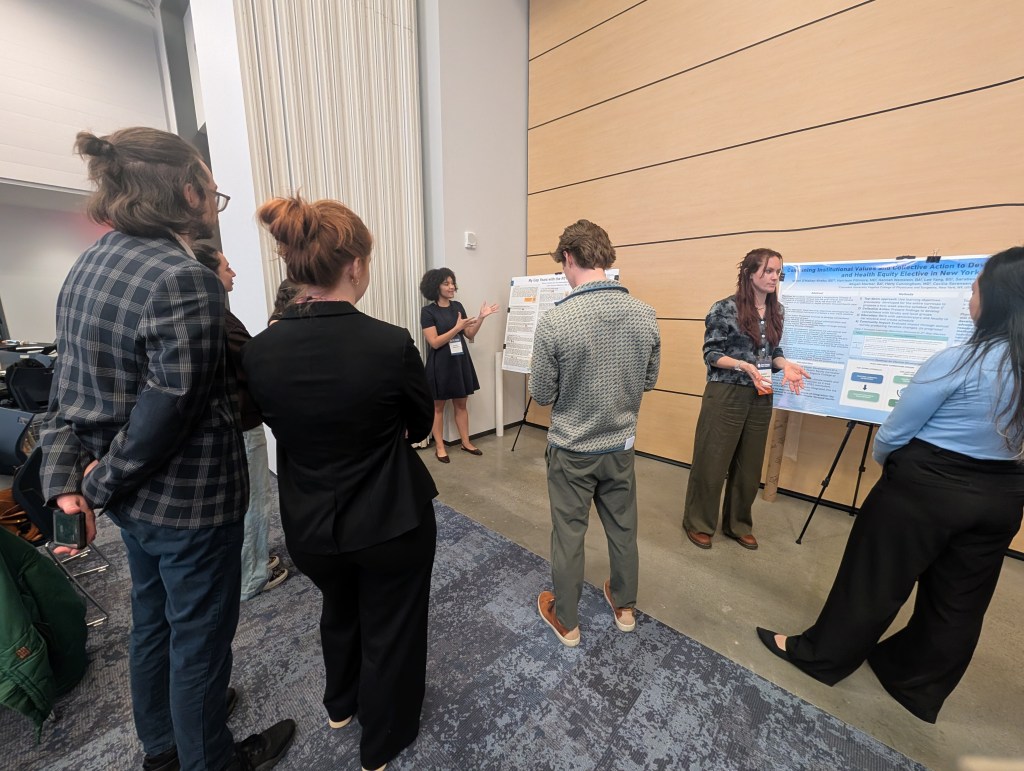
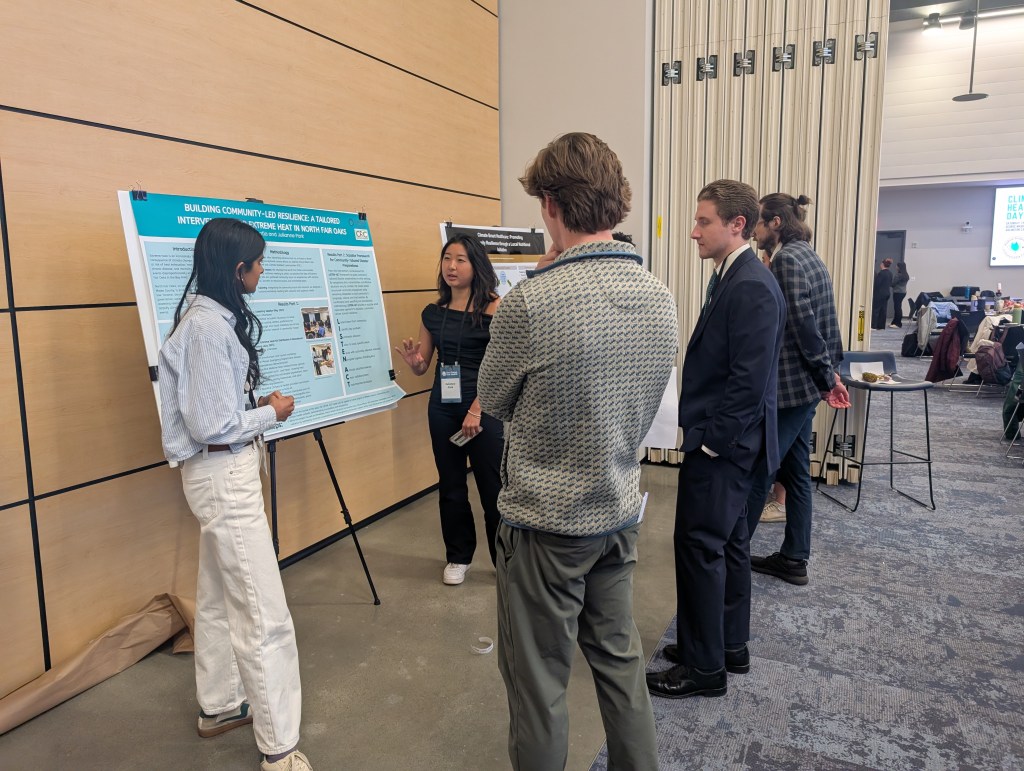
MS4SF Members presenting their research at Climate Health Equity Day 2026

Join us July 28 for a Panel Presentation

This presentation reviews current research on the environmental and public health implications of data centers and their potential connections to artificial intelligence, with a focus on Michigan. We review current data center projects in the United States, along with some community organizing efforts against their implementation. In addition, we summarize key findings from the literature and share a prior Michigan-based analysis examining data center siting, emissions, and their impacts on surrounding communities, with a focus on environmental justice and health equity. This initial research inspired our investigation into this field.

Dr. Miller will facilitate a discussion regarding the ethical implications of AI integration in clinical practice, weighing the environmental burden against opportunities for improved care quality, with a focus on optimizing health equity.  The conversation will also examine the promise and perils of AI integration from a health systems science perspective.  Participants will be encouraged to develop an intentional approach to their use of AI in their daily life and practice of medicine.

Discussion Topics

Medical students from Wayne State University and Michigan State University respectively, Prit Patel and Sneha Sundar will present the current research on the environmental and public health implications of data centers and their potential connections to artificial intelligence, with a focus on Michigan. They will summarize key findings from the literature and share a new Michigan-based analysis examining data center siting, emissions, and their impacts on surrounding communities, focusing on environmental justice and health equity.

Dr. Manijeh Berenji will present on the current state of evidence on how AI is being used across healthcare systems and examines emerging methods for measuring that use at the organizational, clinical, and system levels. Her work highlights what we know so far, where major data gaps remain, and why rigorous quantification of AI deployment is essential for governance, safety, cost, and workforce impact.

Dr. Erin Miller will facilitate a closing discussion regarding the ethical implications of AI integration in clinical practice, weighing the environmental burden against opportunities for improved care quality, with a focus on optimizing health equity. The conversation will also examine the promise and perils of AI integration from a health systems science perspective. Participants will be encouraged to develop an intentional approach to their use of AI in their daily life and practice of medicine.

Panelists

Dr. Berenji is a double board-certified physician specializing in Occupational and Environmental Medicine (OEM) as well as Public Health and General Preventive Medicine, and board-eligible in Clinical Informatics. She is Associate Clinical Professor in the Department of Occupational and Environmental Medicine at UC Irvine School of Medicine as well as Associate Clinical Professor in the Department of Environmental and Occupational Health at the Wen School of Public Health. She is currently the Chief of Occupational Health at VA Long Beach Healthcare System, where she leads both employee health and wellness operations as well as the Environmental Health Clinic. She is the co-lead for AI for the Desert Pacific VA Healthcare Network, leading AI initiatives across the Southwest United States. She is Lead of Academic and Community Partnerships with the University of California Center for Climate, Health and Equity, where she is spearheading efforts to enhance academic and industry partnerships; evaluating new methodologies to enhance emergency preparedness surrounding climate-related events; working with community leaders on identifying practical climate solutions; and developing climate curricula for medical students and residents. She is Chair of the Council on OEM Science as well as of the Health Informatics, Occupational Toxicology, and Environmental Health sections of the American College of Occupational and Environmental Medicine. She is currently pursuing board eligibility in Health Care Administration, Management, and Leadership through the American Board of Preventive Medicineโ€™s Practice Pathway. She is Chair of the American Medical Informatics Associationโ€™s Climate Health and Informatics Working Group as well as the Public Health Informatics Working Group, leading initiatives on resilience informatics, public health innovation, and learning health systems. She is also part of the California Consortium of Public Health Informatics and Technology based at Cal State Long Beach. She is also a certified medico-legal evaluator and qualified medical examiner in the state of California.

Dr. Erin Miller is a board-certified internist and pediatrician.ย  Since completing residency, she’s provided primary care in the heart of Detroit, first at a Federally Qualified Health Center, and now as a senior staff physician with Henry Ford’s Academic Internal Medicine practice.ย  She also serves as Medical Director of the Kado Family Clinical Skills Center at Wayne State University’s School of Medicine. In this role, she integrates clinical skills across the curriculum with an emphasis on high-quality care and patient-centered, trauma informed communication. Dr. Miller is an active member of the Michigan Clinicians for Climate Action, advocating for interventions to address and mitigate the impacts of climate change, in the context of policy and medical education curricula.

Prit Patel is a third-year medical student at Wayne State University School of Medicine in Detroit, Michigan. He is interested in how clinicians and healthcare systems can address environmental health challenges and public health disparities to support patient and community health. Prit is also involved in patient safety and medical education initiatives and plans to pursue training in internal medicine with the eventual goal of cardiology.

Sneha Sundar is an OMS-III at Michigan State University College of Osteopathic Medicine. She got her bachelor’s degree in data science and human biology at Michigan State University. She is passionate about advocacy in healthcare supported by involvement in her community by doing medical work for unhoused individuals and working on climate justice research.


Conference Travel Scholarship

MS4SF offers a $150 travel scholarship to students presenting research on climate and health at any conference other than MS4SF’s Climate Health Equity Day. More details can be found on the application form below.

Scholarship Application Here

New Resource: CAFร‰ Research Coordinating Center for the NIH Climate Change and Health Initiative

What:ย The CAFร‰ RCC willย Convene,ย Accelerate,ย Foster, andย Expandย the global climate change and health community of practice. To accelerate the translation of research into practical solutions, they will engage a diverse array of key stakeholders, including across government agencies, non-governmental and community-based organizations, industry, foundations, and potential funders. Their resources page features a collection of free online training modules to help undergraduate and graduate students interested in climate & health develop background knowledge and practical skills for performing research in this field.

Where:ย See the resources pageย here. CAFE RCC is a collaboration between the BU School of Public Health and the Harvard T.H. Chan School of Public Health

Climate Resources for Health Education (CRHE)

Are you interested in writing and publishing slides & cases on climate change and health?ย 

Join the Climate Resources for Health Education (CRHE) team! We develop expert reviewed climate-health slides and cases for medical schools to use to teach students about the impact of climate change on health. Learn more about our program and sign up as a writer or expert reviewer for our program here. Attendings, fellows, residents, medical students, and non-physicians scientists are welcome!ย 

Project Opportunities

Stay tuned for updates!

Journal Club

  • Upcoming Journal Clubs
    • Stay tuned for our next journal club update

Research Mentors

Are you looking for research mentors to support your climate change and health related projects? Our research team can help connect you with an MS4SF mentor that shares similar interests and/or is geographically close to you.ย 

Resources

Please refer HERE for the MS4SF-curated list of interesting journals, articles, and books featuring topics related to climate change and health. We are looking for members who are interested in reviewing the articles.

Check out the NIH Climate Change and Human Health Literature Portal here for more resources!


search previous next tag category expand menu location phone mail time cart zoom edit close